
Are you ready to lead a clear, professional consultation that helps clients understand when a heavy-duty nipper is appropriate?
Why Choose This Nipper
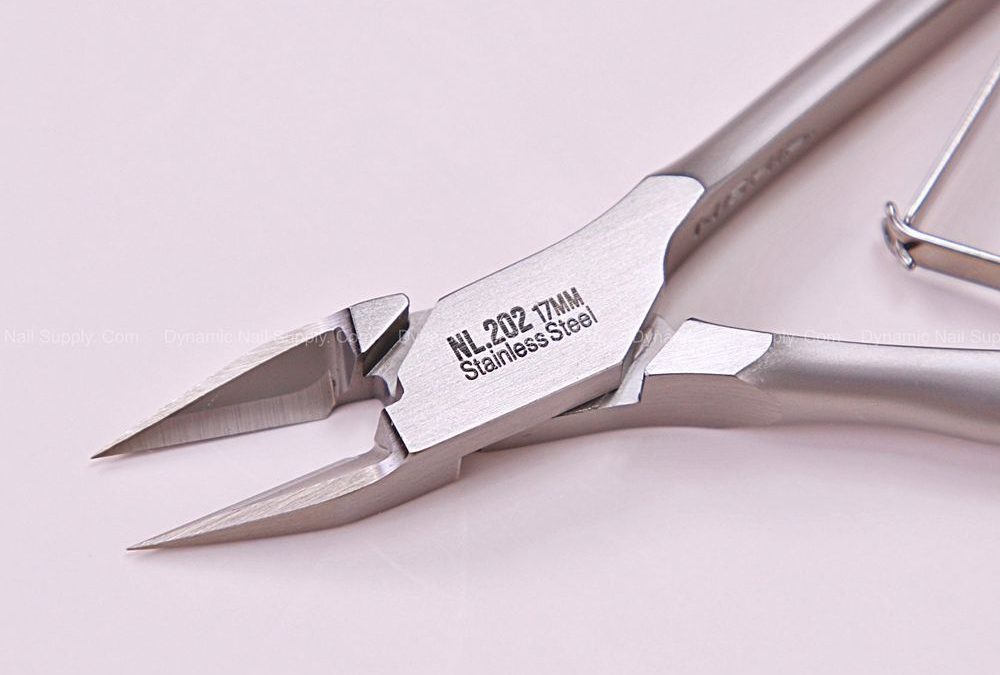
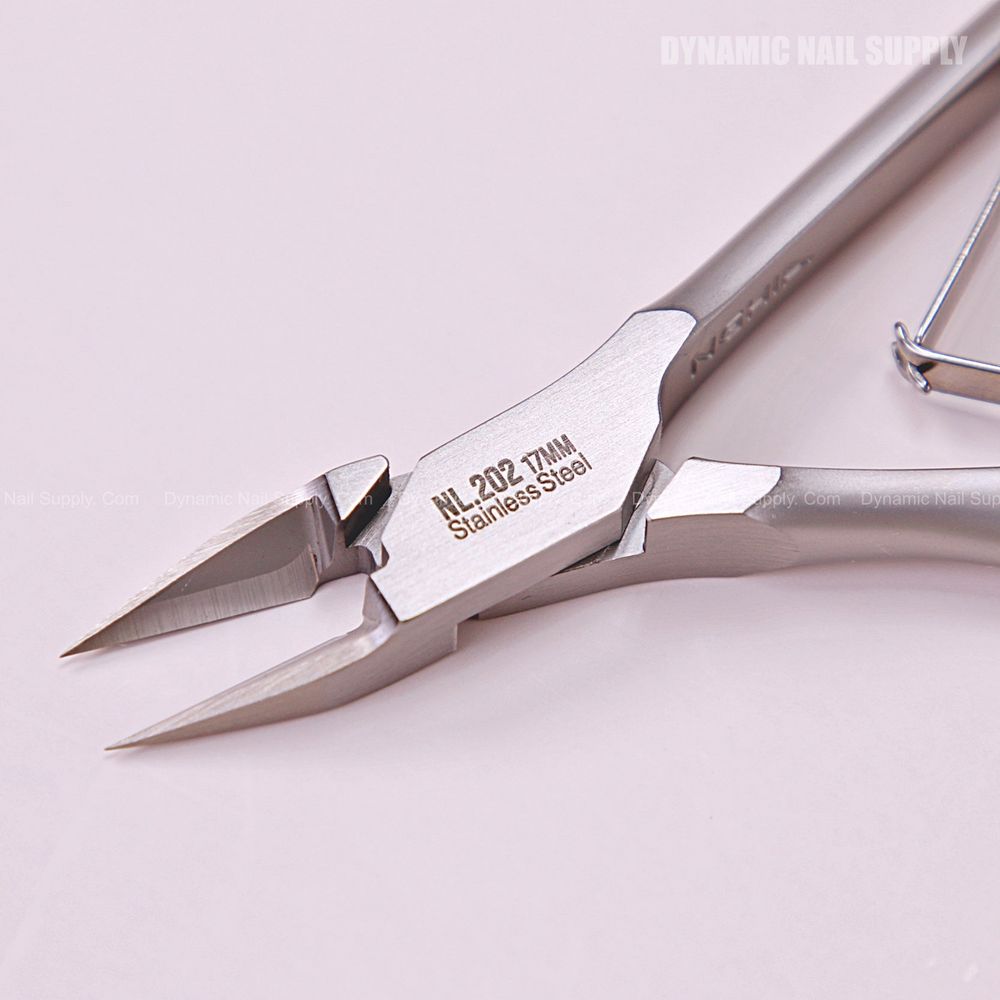
We begin consultations by explaining why a technician might pick a 17mm full-jaw nipper over smaller cutting tools. Describe the tool’s purpose in technical terms: long, full jaws and thicker blades deliver greater cutting strength for dense or damaged nail material. Note the construction features that matter to us during a service—surgical-grade stainless steel for durability and sterilization, a lap joint for stable alignment, and double springs for responsive opening and controlled closing.
What To Ask Clients
We use a short checklist to assess suitability before reaching for a heavy-duty nipper. Ask these focused questions in a calm, stepwise way:
- Is the discomfort coming from thickening, splitting, or an ingrown edge?
- When did the nail change in texture or thickness?
- Have they used at-home clippers and what happened?
- Do they have any recent circulation or skin concerns we should be aware of?
- Are they comfortable with a tool intended for professional use only?
These questions let us evaluate whether the 17mm nipper’s cutting power is required or whether a finer instrument would suffice.
What To Suggest During The Service
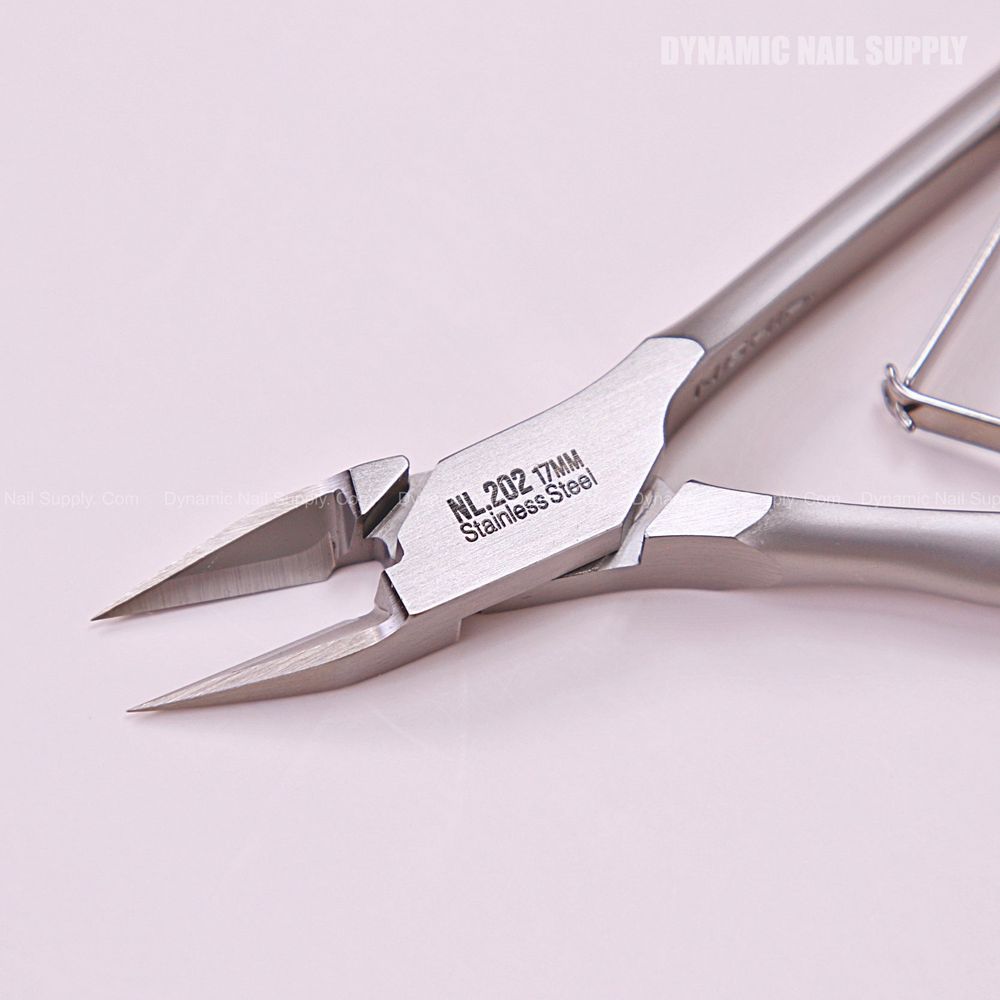
When we recommend this tool, we pair the recommendation with clear steps and visible cues so the client understands the process and risk controls. Explain that the long handle and ergonomic wavy design increase leverage and control for the technician, which helps stabilize cuts on thick or damaged nails. Outline the sectioning approach: work from the accessible free edge inward, make small, controlled cuts, and avoid forcing the blade through thin or compromised tissue.
Pro tip: Describe how the tool’s weight and matte finish affect hand stability and grip—this helps reassure nervous clients without medical jargon.
When To Set Expectations
We set expectations about immediate results and aftercare before any cutting begins. Explain that the goal is a clean trim with reduced splitting, but not cosmetic perfection in a single pass on severely damaged nails. If the nail is dense or has deep ridging, multiple short cuts and follow-up visits may be necessary. Mention that proper sterilization is part of the protocol and that surgical-grade stainless steel enables full sterilization between clients.
Pro tip: Tell clients the likely surface feel after trimming—edges will be clean but may need gentle filing to remove microscopic burrs—and offer to show the trimmed edge before finishing.
How We Demonstrate Safety And Hygiene
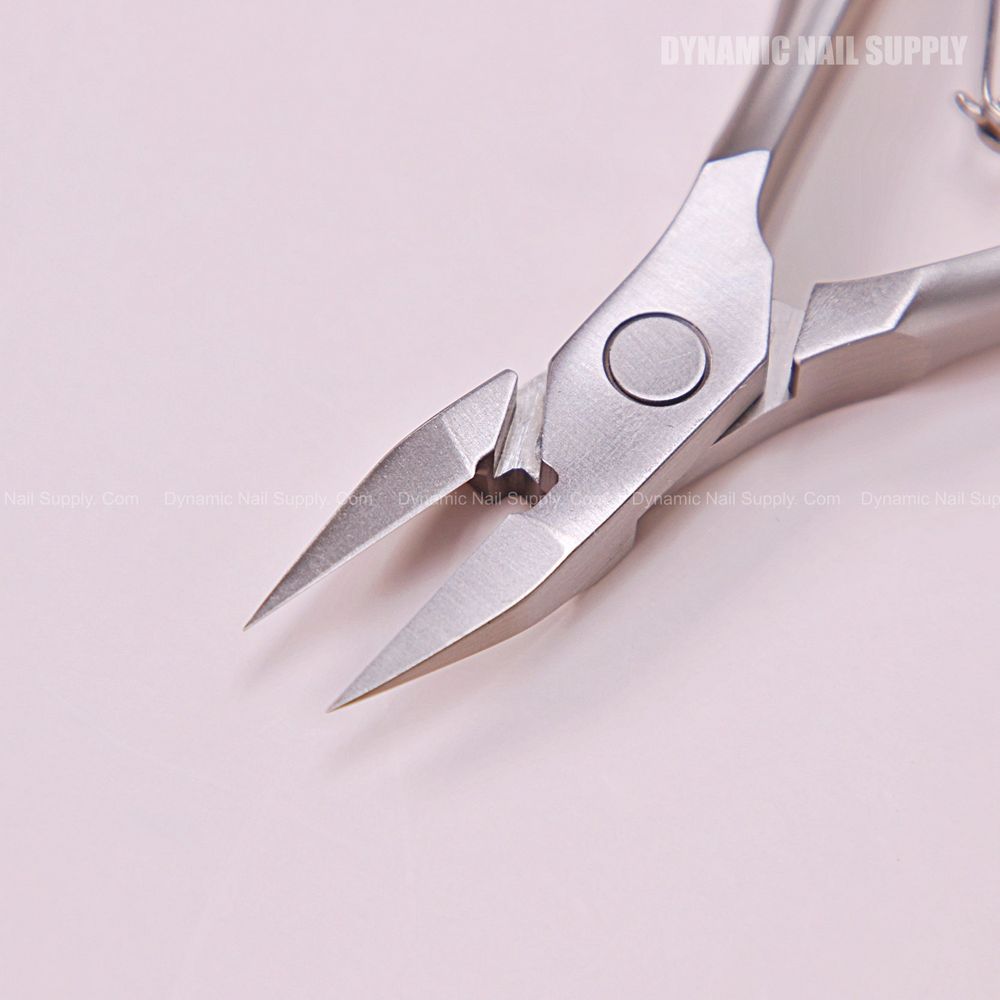
We talk through handling and safety in plain technical terms. Explain the lap joint alignment and double spring action as features that reduce misalignment and sudden closures. Remind clients that we clean and sterilize tools between services, and that anti-rust oil applied at the joint helps maintain smooth action and long-term function. Offer a brief visual demonstration of the nipper’s opening and closing away from the client’s skin before cutting.
When To Recommend Alternative Tools Or Referral
We advise switching tools or referring when the risk profile changes. If nail tissue appears infected, inflamed, or unusually fragile, we suggest pausing and referring or consulting a medical professional rather than proceeding. For thin or cosmetically altered nails, recommend finer nippers or precision clippers to avoid overcutting. Make a plan with the client: if we encounter unexpected resistance or tissue change, we stop, reassess, and explain next steps.
How To Explain Care And Longevity
Clients often ask how long a professional tool will stay sharp. We explain that hand-sharpened blade geometry and quality stainless construction support consistent performance, but proper care matters: avoid dropping, dry thoroughly after sterilization, and have blades professionally checked if you notice snagging. If you discuss retail or replacement, note the current price of $24.98 and remind clients prices may change.
Closing Conversation And Consent
Before any cut, we restate the plan in three brief points: intended cut areas, number of small cuts expected, and immediate aftercare steps. Ask for verbal consent and keep the client informed during each pass. After the service, review aftercare: gentle cleansing, avoiding aggressive filing at the new edge for 24–48 hours, and scheduling follow-up if regrowth looks irregular.
For in-chair use, reference the specific tool by name so clients remember which instrument was used during troubleshooting or follow-up; we find a short phrase like the product label helps.
Mini FAQ
1) When should we choose this nipper over lighter cutters? Use it for thick, dense, or ingrown-prone nails where greater cutting force and a full jaw are required.
2) How do we reduce the chance of tearing? Make incremental cuts with controlled blade closure and stabilize the toe or finger to limit movement.
3) Can this tool be fully sterilized? Yes—its surgical-grade stainless steel and construction allow standard sterilization procedures; follow your salon protocol for cleaning and lubrication.
When explaining at the chair, we often mention the 17mm stainless steel nipper to help clients recall which heavy-duty nipper we used during the service.